
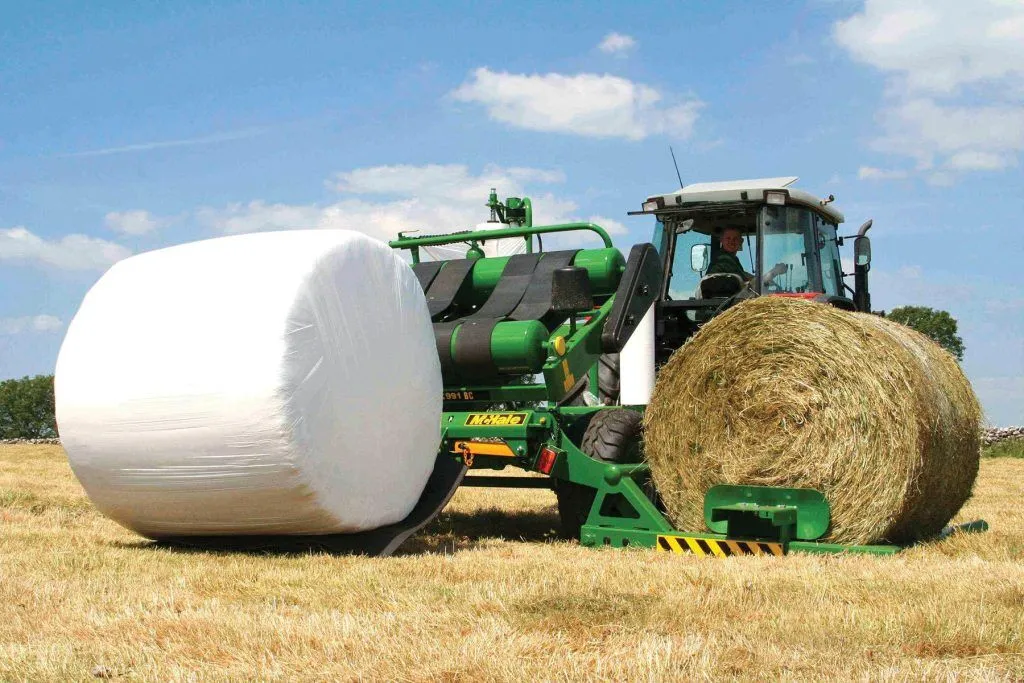
Storing and transporting hay effectively is crucial for preserving its quality and nutritional value. Without suitable measures, hay sits vulnerable to moisture, contamination, and degradation, which can lead to substantial financial losses. This is where silage film demonstrates its importance, providing a reliable solution that helps maintain the integrity of fodder. By creating a protective barrier, silage film ensures hay remains in prime condition from harvest to feeding. Among the different materials available, bale wrap film plays a critical role in this process, offering robust protection even under challenging conditions.
One of the key threats to hay is moisture. High humidity or unexpected rain can seep into unprotected bales, leading to excess mold growth and nutrient loss. Silage film effectively combats this by acting as a waterproof shield, keeping the interior dry while locking in the essential moisture required for ensiling. This ensures farmers get the most out of their animal feed throughout the year. Additionally, bale wrap film simplifies the wrapping process, making it easier to achieve a tight seal around individual bales that resists tears and punctures.
Proper wrapping of hay bales enables anaerobic fermentation, which preserves feed by eliminating oxygen. Without this process, spoilage becomes a significant risk. Silage film plays a vital role here, as its airtight properties prevent oxygen from entering and potentially breaking down the feed. This benefit extends globally, particularly in regions with fluctuating climates or longer transportation timelines, proving its utility on an international scale.
Protection Against Changing Weather Conditions
Whether due to extreme heat, freezing temperatures, or sudden storms, hay stored outdoors faces unpredictable risks. Silage films are engineered to withstand these environmental challenges, ensuring consistent protection. High-quality films are often designed with UV stabilization, which protects the hay from sun exposure. This feature is especially useful in sunny regions, where hay is more likely to dry out and deteriorate if left uncovered. Similarly, the durable structure of silage film holds up well in harsher winter climates, preventing ice damage to the bales.
Reducing Waste and Increasing Efficiency
One of the often-overlooked advantages of using silage film is its contribution to reducing food waste in the agricultural sector. By preserving the nutritional quality of hay, farmers can minimize spoilage and make better use of their efforts. For instance, when transporting feed over long distances, silage film ensures that hay arrives in nearly the same condition as when it was wrapped, preventing unnecessary losses. This efficiency benefits not just farmers, but also livestock that depend on high-quality feed for optimal health.
Universal Solution
Silage films, including bale wrap film, are widely adopted across diverse agricultural practices worldwide. They cater to various farming scales, from small family operations to large commercial enterprises, underscoring their versatility. As agriculture continues to face challenges like climate change and food shortages, solutions like silage film become even more integral. By protecting hay during storage and transport, these films help create a more sustainable and efficient system for feeding livestock globally.
