
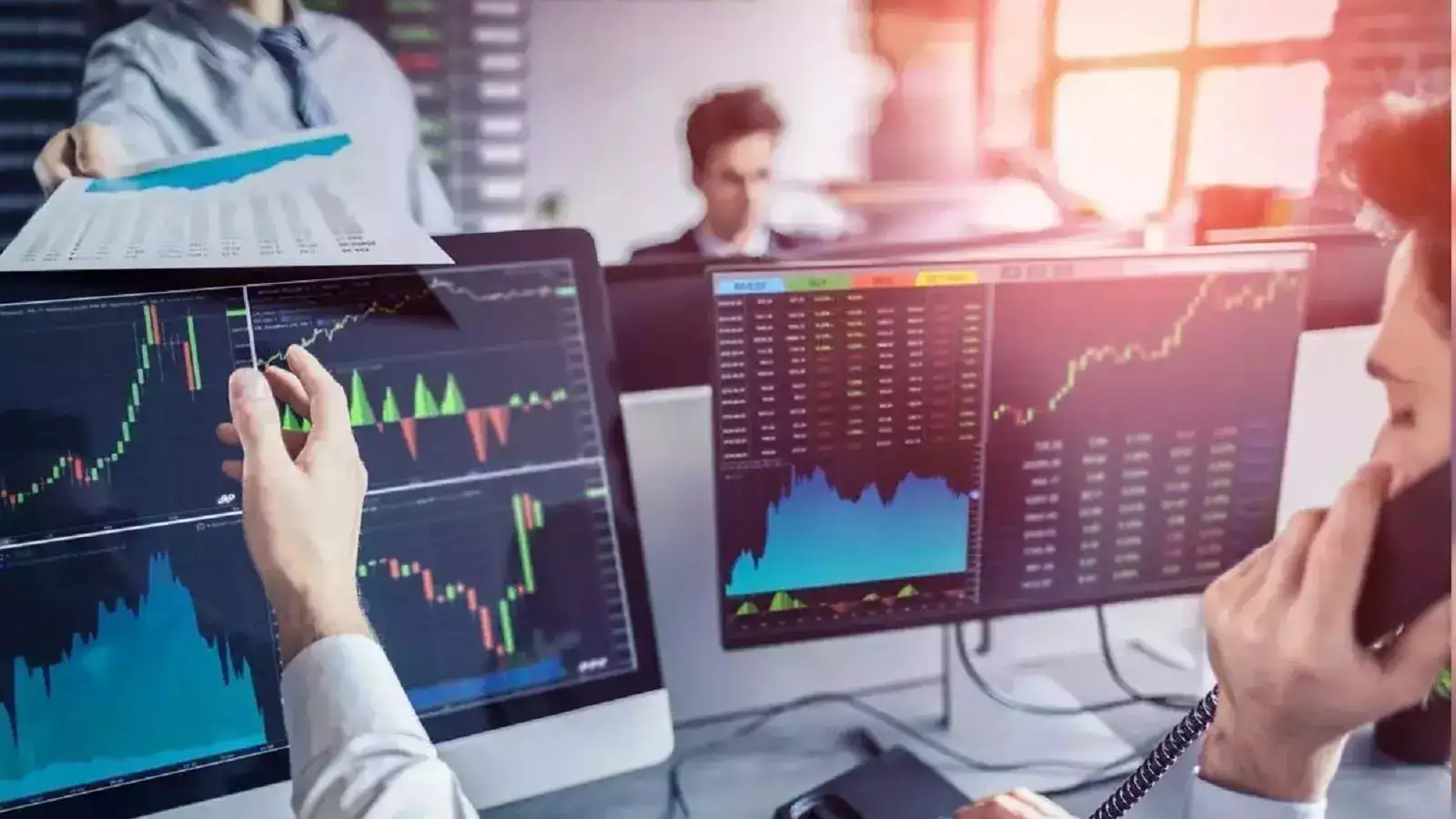
India’s financial market has evolved rapidly over the past decade, encouraging millions of retail investors to participate in wealth creation through equities and derivatives. With the growing popularity of digital investing platforms, opening a Demat Account has become a simple and convenient process for individuals looking to manage shares electronically. At the same time, experienced traders are increasingly exploring Option Trading as a strategic approach to benefit from market volatility while managing potential risk. The combination of advanced technology, investor awareness, and easy access to trading platforms has transformed the investing experience for people across India.
Rising Interest in India’s Equity Market
The Indian stock market has seen strong participation from salaried experts, entrepreneurs and young investors who have long specialised in monetary stimulus. Increased awareness of financial construction plans and wealth control allows people to move past traditional financial savings strategies and consider market-related investments. Investors are more savvy these days and tend to study market trends before making a choice.
A major motivation behind this change is the convenience provided by digital infrastructure. Investors no longer need to do lengthy paperwork or rely entirely on physical brokerage offices. Most investment proposals now have seamless online verification, simplified account opening processes, and access to on-site trading tools. This accessibility has accelerated market share participation past the big cities and delivered the stock market by investing in smaller cities across India.
The upward push of the associated curriculum content additionally plays a good space for investment. Financial experts, market analysts, and financial educators regularly provide insights into market behaviour, technical markers, and contingency management techniques. This evolving knowledge ecosystem helps trade participants make more informed decisions rather than relying entirely on hypotheses or market rumours.
Importance of Financial Discipline in Trading
Success in the stock market is often not achieved through impulsive choices. The financial sector remains one of the essential characteristics of buyers and investors. Many novices invest in the market expecting income on the spot, but sustained booms usually come from perseverance, consistency, and proper planning. Investors who maintain proper expectations are often better prepared to treat market volatility trivially.
Risk management is another important element of trading and investing. Market conditions can fluctuate unpredictably due to financial developments, coverage announcements, corporate earnings, and global events that affect investor sentiment. Without proper risk manipulation, investors can also suffer meaningless losses. Experienced buyers generally take note of keeping pure dreams, limiting emotional range, and maintaining balance in particular areas.
Maintaining discipline, moreover, requires relentless expertise. The financial market is dynamic, and successful traders usually substitute expertise for market characteristics and investment strategies. Individuals who prefer small money shortcuts to long-term adventures in investing routinely make increasingly strong financial progress over the years.
Technology Has Revolutionized Investing in India
Technology has significantly changed the way Indian traders engage with the money markets. In the past, buying and selling activities involved physical proof of ratio and agent-assisted transactions, which often ate up a lot of time and energy. Today, mobile applications and online trading platforms allow traders to transact almost anywhere instantly.
The modern system offers advanced charting systems, real-time interest rate monitoring, updated market information, and portfolio tracking equipment. These features help investors to study market conditions extra efficiently and make informed choices quickly. The advent of low-cost brokerage offerings has similarly supported retail participation through reduced buying and selling costs.
The security and transparency of the digital investment environment have also improved considerably. Financial institutions and regulators are implementing more powerful verification systems and control measures to protect investors against our institutions. Features that include -element authentication, anonymous transactions, and instant alerts give retail investors added confidence using online platforms .
The comfort of virtual investing has left the storage market more in the hands of younger generations who are comfortable using technology for financial monitoring. As phone penetration continues to flourish across India, digital manufacturing investments are expected to become increasingly mainstream in the coming years.
Building a Strong Investment Mindset
A hit funding adventure is closely dependent on attitude and emotional leadership. Many buyers struggle because they react emotionally to market volatility rather than following an established pattern. Fear during market downturns and greed at some stage of the market growth can lead to terrible decisions that negatively affect performance in the long run.
Investors who have an awareness of research and strategy formulation programs are generally in a better position to navigate uncertain situations. Studying fundamental directives, business growth, and market trends can provide valuable insight before making an investment choice. An advisory approach helps reduce reliance on speculation and short-term market noise.
Long-term traders often recognise the importance of persistence. Markets obviously go through cycles of booms and corrections, and temporary volatility is part of the investment system. Committing to a properly planned approach to uncertain intervals can improve the chances of achieving long-term economic goals.
The development of an economic sector also involves a periodic review of financing requirements. Individual monetary preferences can gradually change over the years, so it is important to regulate investment strategies accordingly. Investors who periodically review their portfolios and rebalance their holdings are often better prepared for changing market conditions.
The Future of Retail Investing in India
India’s investment ecosystem continues to expand as financial awareness and digital accessibility improve across the country. Increasing participation from retail investors reflects growing confidence in equity markets as a tool for wealth creation. Young professionals are becoming more financially conscious and are actively seeking opportunities to build long-term assets through disciplined investing.
Government initiatives supporting financial inclusion and digital infrastructure are contributing to this growth. Improved internet connectivity and simplified financial services are helping individuals from diverse backgrounds participate in market-related activities more comfortably. This broader participation is strengthening the overall investment culture in India.
The future of investing in India appears promising as technology, education, and financial awareness continue evolving together. Investors who prioritise learning, discipline, and strategic planning are likely to benefit the most from the opportunities available in the financial markets. Consistent effort, informed decisions, and patience remain the foundation of successful investing for individuals aiming to achieve long-term financial stability and growth.
